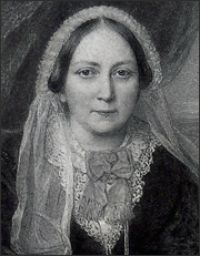
Widow's cap

Definition and stakes

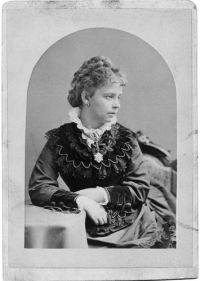
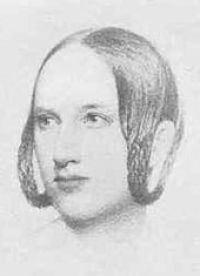
Portrait of Mrs. Henry Wood Mrs. Henry Wood,  It May Be True, Vol. 1 (of 3)

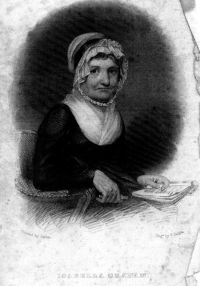
“ She was a widow, and although the widow's cap had long ago been laid aside, yet in other respects her dress had altered little since the day she had first worn widow's weeds; it was always black; even the bonnet was of the same sombre hue, the cap, collar, and cuffs alone offering any relief to it. Her features were very handsome, and her figure tall, upright, and stately. Her hair was perfectly snow white, drawn off the high broad forehead, under a simple cap ”
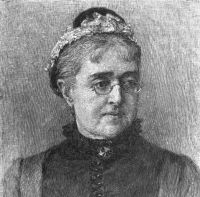
Source: Gutenberg

Leopold Wagner,  Names: and Their Meaning; A Book for the Curious

“ Hence the significance of the term Wife, derived from the Anglo-Saxon wif, by virtue of the verb wyfan, to weave. The designation Widow is an Indo-European importation, derived from the Sanskrit vid-hava, without husband. Grass Widow, denoting a woman temporarily separated from her husband, is a corruption of “Grace Widow”—in other words, a widow by grace, or courtesy. The word Chaperon is French, derived from the chapeau, or cap, worn by the duennas of Spain. Duenna, signifying a guardian, is Spanish, founded upon the Latin domina, a mistress. ”
Source: Gutenberg

Get perspective with Kwize: daily news enlightened by great literature