Work (job)

Definition and stakes

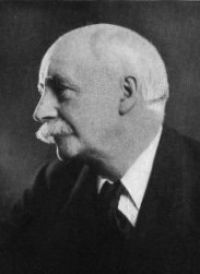
William James,  Memories and Studies

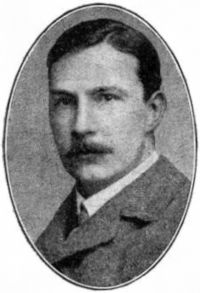
“ He understands the difference between second-rate and first-rate work in his whole branch of industry; he gets to know a good job in his own line as soon as he sees it; and getting to know this in his own line, he gets a faint sense of what good work may mean anyhow, that may, if circumstances favor, spread into his judgments elsewhere. Sound work, clean work, finished work: feeble work, slack work, sham work—these words express an identical contrast in many different departments of activity. ”
Source: Gutenberg

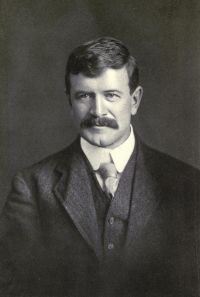
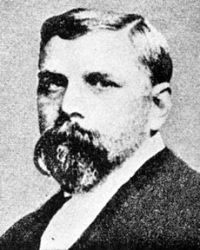
Portrait of Timothy Thomas Fortune Timothy Thomas Fortune,  Black and White: Land, Labor, and Politics in the South

“ In the most common tasks one has to watch the average workingman in order to prevent his bungling a job. Hands are worth little without some brains; as in the work done, so in the pay won. Our labor is quite as largely uninterested—having no more heart than brains back of the hands. Work is done mechanically by most workingmen, with little pride in doing it well, and little ambition to be continually doing it better.
2. There is too commonly as little sense of identity with the employer's interests, or of concern that any equivalent in work should be rendered for the pay received.
”
Source: Gutenberg

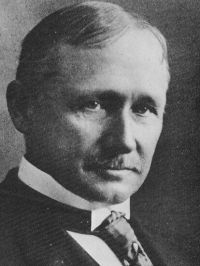
Portrait of Oliver Onions Oliver Onions,  Widdershins

“ And it would do you all the good in the world if you had a job that made you scramble and rub elbows with your fellow-men. Now, if I could get you a job, for, say, two or three days a week, one that would allow you heaps of time for your proper work—would you take it? ”
Source: Gutenberg

Get perspective with Kwize: daily news enlightened by great literature