Academy (art)

Definition and stakes

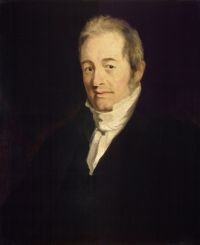
William Hazlitt,  Table Talk: Essays on Men and Manners

“ It is, I understand and believe, pretty much the same in more modern institutions for the encouragement of the Fine Arts. The end is lost in the means: rules take place of nature and genius; cabal and bustle, and struggle for rank and precedence, supersede the study and the love of art. A Royal Academy is a kind of hospital and infirmary for the obliquities of taste and ingenuity—a receptacle where enthusiasm and originality stop and stagnate, and spread their influence no farther, instead of being a school founded for genius, or a temple built to fame. ”
Source: Gutenberg

Randall Davies,  Six Centuries of Painting

“ For the New English, it was the seed that flowered, under their gentle influence, into the many varieties of blossoms with which our garden is already filled. To the Academy there was no such thing as change or development—their ears were deaf to any innovation, their eyes were blind to any fresh beauty. To others, every new movement foretold its significance, and the century closed with the recognition of the fact that art must live and develop if it is to be anything but a comfortable means of subsistence for a self-constituted authority of forty and their friends. ”
Source: Gutenberg

Portrait of John Ruskin John Ruskin,  Lectures on Landscape

“ Now you observe that I never speak of this Greek school but with a certain dread. And yet I have told you that Turner belongs to it, that all the strongest men in times of developed art belong to it; but then, remember, so do all the basest. The learning of the Academy is indeed a splendid accessory to original power, in Velasquez, in Titian, or in Reynolds; but the whole world of art is full of a base learning of the Academy, which, when fools possess, they become a tenfold plague of fools. ”
Source: Gutenberg

Get perspective with Kwize: daily news enlightened by great literature