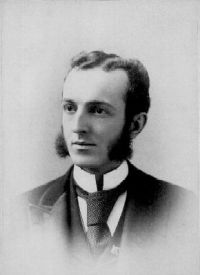
Christian VII of Denmark

Definition and stakes

1911 Encyclopædia Britannica (1911)

CHRISTIAN VII. (1749–1808) , king of Denmark and Norway, was the son of Frederick V., king of Denmark, and his first consort Louisa, daughter of George II. of Great Britain. He became king on his father’s death on the 14th of January 1766. All the earlier accounts agree that he had a winning personality and considerable talent, but he was badly educated, systematically terrorized by a brutal governor and hopelessly debauched by corrupt pages, and grew up a semi-idiot.
Source: Wikisource

Sir Lascelles Wraxall Life and Times of Her Majesty Caroline Matilda…

Into this chaos of poverty, necessity, and discontent, the youthful king, it was expected, would introduce order, and hopes were entertained of him as the regenerator of Denmark.
On the morning of January 14, Privy Councillor von Bernstorff appeared on the balcony of the Christiansborg palace, and declared, in the traditional manner and with the words: "King Frederick V. is dead; King Christian VII. is living;" the late crown prince ruler of the united kingdoms. To which the people replied: "May he not only live long, but reign well, like his father."
Source: Gutenberg

Various Encyclopaedia Britannica, 11th Edition…

The succession to the crown of Denmark, however, was different from that in the duchies. In Denmark the crown could descend, as it descends in Great Britain, through females. In the duchies the descent was confined to the male line; and, as Frederick VII., who ascended the Danish throne in 1848, had no direct issue, the next heir to the crown of Denmark under this rule was Prince Christian of Glücksburg, afterwards king; the next heir to the duchies being the duke of Augustenburg. In 1850 an arrangement had been made to prevent the separation of the duchies from the kingdom.
Source: Gutenberg

Get perspective with Kwize: daily news enlightened by great literature