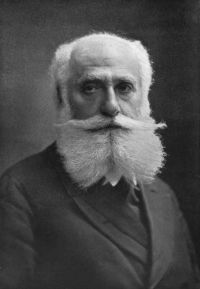
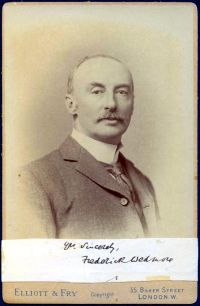
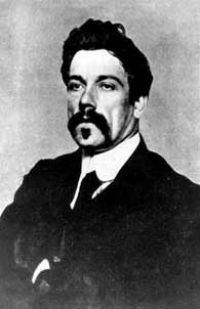
Des Esseintes, the reclusive aristocrat and protagonist of Joris-Karl Huysmans’ À Rebours (1884), epitomizes the decadent aesthetic movement through his obsessive quest for sensory refinement and artistic elaboration. Authors such as Max Simon Nordau and Sir Frederick Wedmore critiqued or contextualized his morbid inclinations, portraying him as a symbol of late-19th-century aesthetic excess.
Huysmans’ vivid portrayals—of des Esseintes arranging colored stones, inhaling artificial fragrances, or pondering "cruel visions"—highlight a world where beauty is both a sanctuary and a confinement. While Nordau decried his apathy and disengagement, Wedmore recognized his function as a contrast for "healthy folk," emphasizing the conflict between decadence and vigor that characterizes the theme.