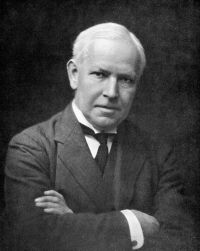
The Epic of Gilgamesh, one of the earliest surviving works of literature, originates from ancient Mesopotamia and delves into universal themes such as mortality, companionship, and the search for knowledge. This Akkadian epic, compiled from earlier Sumerian poems, traces the journey of Gilgamesh, a semi-divine king of Uruk, as he confronts the death of his companion Enkidu and sets out to discover the secret of eternal life.
Scholars like Frederic Manning emphasize its sacred religious awareness, while Lewis Spence focuses on its mythic framework and symbolic episodes, such as Gilgamesh’s confrontations with Humbaba and the Bull of Heaven. Morris Jastrow points out its composite character, merging folk traditions with reflections on human limitations, as illustrated by Gilgamesh’s unsuccessful attempt to achieve immortality. The epic’s lasting impact stems from its deep contemplation of life’s transience, shaping subsequent heroic tales and influencing works ranging from the Book of Genesis to contemporary reinterpretations.
 Frederic Manning,
Scenes and Portraits
Frederic Manning,
Scenes and Portraits