French dressing

Definition and stakes

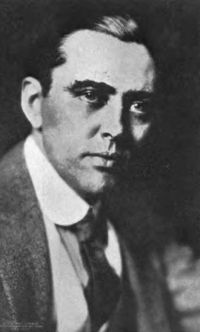
Portrait of Myrtle Reed Myrtle Reed,  The Myrtle Reed Cook Book

“ To make French dressing, put into a bowl or soup plate a pinch of salt, a dash of red pepper, and three tablespoonfuls of olive-oil. Stir with a silver spoon until thoroughly mixed, then add one tablespoonful of tarragon vinegar, and stir until thick. French dressing must not be made until it is to be used, as it very quickly wilts a vegetable salad. Four or five tablespoonfuls of oil may be used to one of vinegar or lemon-juice if desired, and French dressing may also be seasoned with tabasco sauce, Worcestershire, dry mustard, celery salt, or any preferred condiment. ”
Source: Gutenberg

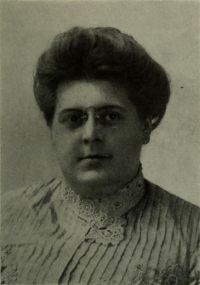
Portrait of Fannie Farmer Fannie Farmer,  Boston Cooking-School Cook Book (1918)

“ If greens are allowed to stand in dressing they will soon wilt. It should be remembered that winter greens are raised under glass and should be treated as any other hothouse plant. Lettuce will be affected by a change of temperature and wilt just as quickly as delicate flowers.
Canned or cold cooked left-over vegetables are well utilized in salads, but are best mixed with French Dressing and allowed to stand in a cold place one hour before serving. Where several vegetables are used in the same salad they should be marinated separately, and arranged for serving just before sending to table.
”
Source: Wikisource

G. Woolliscroft Rhead,  Chats on Costume

“ The fastening of the waist is not straight down the stays, but gently swerved, and trimmed with narrow fur, as is the bottom of the robe. A round pasteboard hat, covered with the same sattin, and without any other ornaments than a diamond buckle,{150} or an embroidered one, finishes the dress, which, it is said, will be worn through the summer, made of lighter materials."
The French Revolution was productive of many things—not the least of which was the change it brought in the matter of dress.
”
Source: Gutenberg

Get perspective with Kwize: daily news enlightened by great literature