Greek god

Definition and stakes

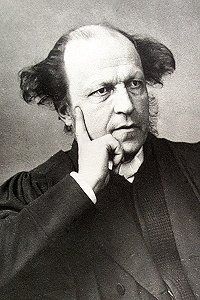
Portrait of John Ruskin John Ruskin,  Modern Painters, Volume 3 (of 5…

“ I do not think we ever enough endeavor to enter into what a Greek's real notion of a god was. We are so accustomed to the modern mockeries of the classical religion, so accustomed to hear and see the Greek gods introduced as living personages, or invoked for help, by men who believe neither in them nor in any other gods, that we seem to have infected the Greek ages themselves with the breath, and dimmed them with the shade, of our hypocrisy ”
Source: Gutenberg

Clara Erskine Clement Waters,  A History of Art for Beginners and Students…

“ The religion of the Greek, too, taught that the body was the beautiful and godlike temple of his soul; and the truth that human beings have something in common with a higher power than their own gave him a great respect for humanity, and, in truth, he felt that if he could escape death he should be content and almost, if not quite, a god. For we must remember that the gods of the Greek were not all-wise, all-powerful, and all-good, as we believe our God to be. ”
Source: Gutenberg

Anne C. E. Allinson,  Greek Lands and Letters (1909)

“ Only with very great difficulty can we discover the threads of belief which made out of the newcomer a gracious lord of the vintage, a dispeller of care and teacher of mirth, a prophet, a guide in all the arts of civilization and, more mysteriously still, a suffering god, both redeemer and redeemed, a companion at Eleusis of Demeter and Persephone. Because, however, of the persistent clarity of the Greek imagination, the god now and again emerges from amid the chaos of functions and attributes in a concrete form of beauty. ”
Source: Gutenberg

Get perspective with Kwize: daily news enlightened by great literature