Hellenic culture

Definition and stakes

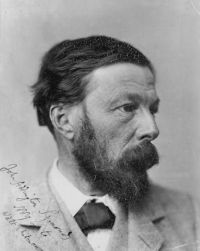
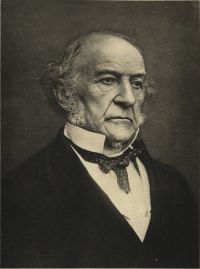
Portrait of Walter Pater Walter Pater,  The Renaissance: Studies in Art and Poetry

“ Breadth, centrality, with blitheness and repose, are the marks of Hellenic culture. Is that culture a lost art? The local, accidental colouring of its own age has passed from it; the greatness that is dead looks greater when every link with what is slight and vulgar has been severed; we can only see it at all in the reflected, refined light which a high education creates for us. Can we bring down that ideal into the gaudy, perplexed light of modern life? ”

Source: Gutenberg

T. W. Allies,  The Formation of Christendom, Volume II

“ The culture itself since the time of Alexander might be termed Hellenic, but it embraced Egypt, and Syria, and all Western Asia. And so completely was idolatrous polytheism interwoven with culture, so inextricably was it blended with the bulk, so gradually had it grown with the growth, and wound its fibres about the tree and the branches, that the worship might be absolutely identified with the civilisation. The gods of Greece were the heads of the most illustrious Grecian families; their hero-worship consecrated every city, every grove, every field. ”
Source: Gutenberg

Charles Thomas Cruttwell,  The History of Roman Literature

“ To make a world-wide out of a Hellenic form of thought, it is necessary to go outside the charmed soil of Greece. Only on the banks of the Nile will the new culture find a shrine, whose remote and mysterious authority frees it from the spell of Hellenism, now no longer the exponent of the world's thought, while it is near enough to the arena where human progress is fighting its way onward, to inspire and be inspired by the mighty nation that is succeeding Greece as the representative of mankind. ”
Source: Gutenberg

Get perspective with Kwize: daily news enlightened by great literature