Hellenistic period

Definition and stakes

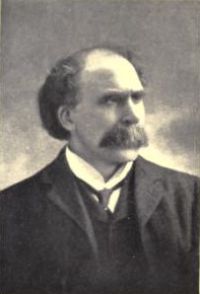
Edward Huntington Williams,  A History of Science — Volume 1

“ All in all, then, this epoch of Roman domination is one that need detain the historian of science but a brief moment. With the culmination of Greek effort in the so-called Hellenistic period we have seen ancient science at its climax. The Roman period is but a time of transition, marking, as it were, a plateau on the slope between those earlier heights and the deep, dark valleys of the Middle Ages. Yet we cannot quite disregard the efforts of such workers as those we have just named. ”
Source: Gutenberg

Guy Dickins,  Hellenistic Sculpture

“ It is only when romance becomes sentimentality that it meets with just condemnation.
The outstanding feature of the history of Greek sculpture during the Hellenistic period is the transference of its vital centres from the mainland to the new kingdoms of the Diadochi on the east and south and to the great new free state of Rhodes. The chief cause was an economic one. Alexander’s campaigns brought about a revival of prosperity and wealth in the Greek world, but among his friends and not among his enemies. Athens was always his enemy and the enemy of his Macedonian successors.
”
Source: Gutenberg

John H. Huddilston,  Greek Tragedy in the Light of Vase Paintings

“ The result was that tragedy was the one popular form of literature in the Hellenistic period, and this meant practically that the people were feasted on Euripides. The ‘Megarian Bowls’ are priceless treasures from this period when the drama had permeated all classes of society. The unpretentious reliefs are replete with the spirit that one may discover at the same time in Italy, Asia Minor, Athens, and Alexandria. They are direct witnesses of the fact that Euripides was the people’s poet, and re-enforce the impression gained from the study of all other classes of monuments. ”
Source: Gutenberg

Get perspective with Kwize: daily news enlightened by great literature