Japanese poetry

Definition and stakes

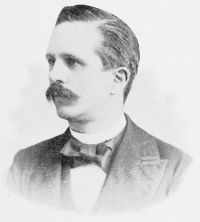
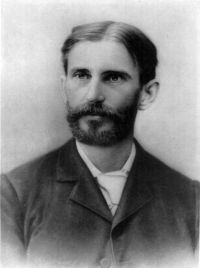
Portrait of Basil Hall Chamberlain Basil Hall Chamberlain,  Things Japanese (1905)

“ The favourite subjects of the Japanese muse are the flowers, the birds, the snow, the moon, the falling leaves in autumn, the mist on the mountains, in fact, the outward aspect of nature,—love of course, and the shortness of human life. Many of our Western commonplaces are conspicuously absent: no Japanese poet has expatiated on the beauties of sunset or starlight, or has penned sonnets to his mistress's eyebrows, or even so much as alluded to her eyes; much less would he be so improper as to hint at kissing her. Japanese poetry has commonplaces of its own, however ”

Source: Wikisource

Harriet Osgood Taylor,  Japanese Gardens (1912)

“ Poetry is deeply inwoven with this graceful art. Indeed, that is always the most alluring part of the study of anything in Japan—every subject opens up others, even though, as in this case, the one art is long enough for a life’s work. And as sincerity is the touchstone of any real art, so it is of this—sincerity of feeling, of faithful labour, of loving study. “We cannot touch another’s heart with anything less than our own,” and, however humble the means of presentation of an art may be, informed and performed with truth and love it is art. ”
Source: Wikisource

Get perspective with Kwize: daily news enlightened by great literature