Kuki people

Definition and stakes

John Shakespear,  The Lushei Kuki Clans

“ Each of the clans have one great Rajah, supposed to be the main branch of the original stock, to whom, although those immediately beyond his own villages owe him no allegiance, great respect is shown by all, and acknowledgment of the superior title given, although in power and wealth he may be much poorer than others of the tribe.
“No regular courts are held among the Kookis, but complaints are always heard before the Rajah, assisted by his muntries, whenever they may be made. Heinous crimes are very infrequent among these people.
”
Source: Gutenberg

John Shakespear,  The Lushei Kuki Clans

“ All these Old Kuki clans are organised far more democratically than the Lushais or Thados. Lieut. Stewart in his Notes on Northern Cachar says:—“There is no regular system of government among the Old Kukis and they have no hereditary chiefs as [149] among the New ones. A headman called the ‘ghalim’ is appointed by themselves over each village, but he is much more a priest than a potentate, and his temporal power is much limited. Internal administration among them always takes a provisional form. ”
Source: Gutenberg

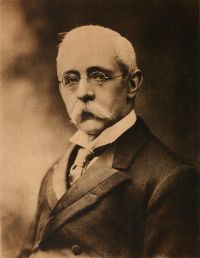
Portrait of Herbert Allen Giles Herbert Allen Giles,  Gems of Chinese Literature (1922)

“ The Gods will not bless your arms on that account alone.” “And in all judicial investigations,” added the duke, “though oft-times unable to ascertain the precise truth, I have always given my decision in accordance with the evidence before me.” “Ha!” cried Kuei; “so far you have done your duty to the people, and you may risk a battle on that. I myself pray to be allowed to accompany your Highness.” To this the duke acceded, and took Kuei with him in his own chariot. ”
Source: Wikisource

Get perspective with Kwize: daily news enlightened by great literature