Kuni

Definition and stakes

Portrait of Isabel Florence Hapgood Isabel Florence Hapgood,  Russian Rambles

“ The kuni, which was the unit of currency in olden days, and was used by royalty, is the next in value, and is costly if dark, and with a tough, light-weight skin, which is an essential item of consideration for the necessary large cloaks. Sables, rich and dark, are worn, like the kuni, by any one who can afford them,--court dames, cavaliers, archbishops, and merchants, or their wives and daughters,--while the climax of beauty and luxury is attained in the black fox fur, soft and delicate as feathers, warm as a July day. ”

Source: Gutenberg

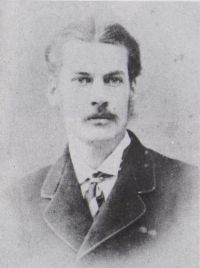
Portrait of Zoë Kincaid Zoë Kincaid,  Kabuki (1925)

“ When O-Kuni grew old, and had outlived her career on the stage that she had created with Sansaburo, she returned to her old home in Kitsuki, near Izumo Shrine. Here she retired from the world, and lived in a rustic cottage, spent her time in reciting the sutras, writing verse, and died at a ripe old age. This account of O-Kuni’s last days appears to be very reliable, as it is from Izumo O-Kuni Den, or Biography of O-Kuni of Izumo, from records preserved among the Shrine archives. ”
Source: Gutenberg

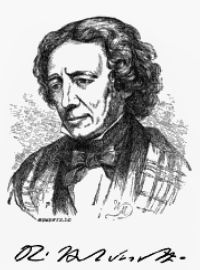
Portrait of William George Aston William George Aston,  Shinto: The Way of the Gods (1905)

“ Motoöri says that any God who has done service by "making " a country or province is worshipped in that province as the Kuni-dama or Oho-kuni-dama. The Ichi no miya (No. I shrines) of later times represent the old Gods of localities.
The Kunari no kami, or Kunari-hime, were also apparently local earth-deities. Kunari is for kuni-nari (earth-become) .
”
Source: Wikisource

Get perspective with Kwize: daily news enlightened by great literature