Ming dynasty

Definition and stakes

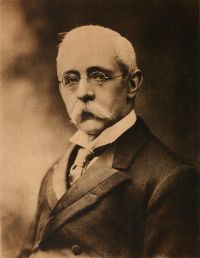
Demetrius Charles Boulger,  China

“ It is not surprising that he succeeded in establishing the Ming dynasty on a firm and popular basis, and that his family have been better beloved in China than any dynasty with the possible exception of the Hans. In his will, which is a remarkable document, he recites the principal events of his reign, how he had "pacified the empire and restored its ancient splendor." With the view of providing for the stability of his empire, he chose as his successor his grandson Chuwen, because he had remarked in him much prudence, a gentle disposition, good intelligence, and a readiness to accept advice. ”
Source: Gutenberg

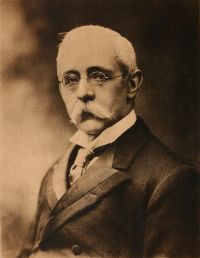
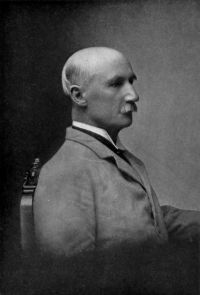
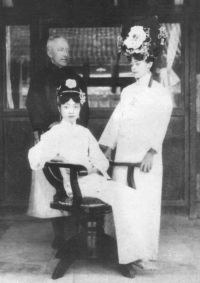
Portrait of Sir Reginald Fleming Johnston Sir Reginald Fleming Johnston,  From Peking to Mandalay

“ The first appearance of a ruler of Chala in Chinese history may be assigned to the first years of the Ming dynasty, in the second half of the fourteenth century, when the king showed his good-will to his mighty neighbour by assisting the imperial troops in the frontier warfare of those days. In the fifth year of Yung Lo (1407) he received the title of Ming Chêng Ssŭ, and in the fifth year of K'ang Hsi (1666) his successor definitely abjured his allegiance to Tibet and became a vassal of China. ”
Source: Gutenberg

Trumbull White,  The War in the East: Japan, China…

“ The great Ming dynasty was now at an end, though not destined wholly to pass away. A large part of it may be said to remain in the literary monuments. The dress of the period survives upon the modern Chinese stage; and when occasionally the alien yoke has galled, seditious whispers of “restoration” are not altogether unheard. Secret societies have always been dreaded and prohibited by the government ”
Source: Gutenberg

Get perspective with Kwize: daily news enlightened by great literature