Oresteia

Definition and stakes

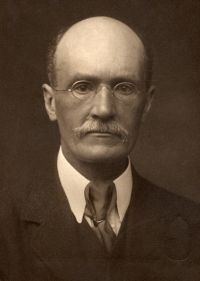
Hubert Joseph Treston,  Poine: a study in ancient Greek blood-vengeance (1923)

“ Thus the Erinnys of the slain kinsman refused to be controlled by a centralised autocracy at Delphi, or even by the will of native State-gods. Hence, perhaps, it is that in the dramatised versions of the Oresteia, Athene has to use ‘Persuasion’ [107] to induce the Furies of Clytaemnestra to become Eumenides. Hence the Furies say of Orestes [108] :
‘His mother’s blood upon the Earth he spilled.
”
Source: Gutenberg

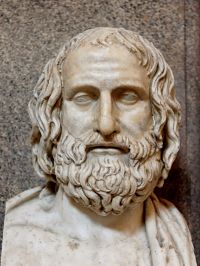
Portrait of Aeschylus Aeschylus,  The Agamemnon of Aeschylus

“ As an early philosopher expresses it, “All things pay retribution for their injustice one to another according to the ordinance of Time.” [1]
To me this consideration actually increases the interest and beauty of the Oresteia, because it increases its greatness. The majestic art, the creative genius, the instinctive eloquence of these plays—that eloquence which is the mere despair of a translator—are all devoted to the expression of something which Aeschylus felt to be of tremendous import.
”
Source: Gutenberg

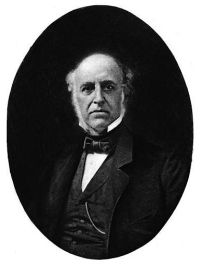
Gilbert Norwood,  Greek tragedy (1920)

“ In the Oresteia a man is hunted well-nigh to death by fiends because he has obeyed the will of God. Why? It can only be said that until the judgment in the Eumenides all is nebulous, the world is being governed desperately as by some committee of public safety; morals, justice, and equity are still upon the anvil. After this one case no man will ever again be tortured like Orestes; nor indeed, we may conjecture, will the oracles of Zeus issue behests so merciless as that which he received.
Finally, something should be said about Æschylus’ views on religion.
”
Source: Gutenberg

Get perspective with Kwize: daily news enlightened by great literature