The Railway Labor Act (RLA), a 1926 U.S. federal statute, governs labor relations in railroads and airlines, favoring arbitration and mediation over strikes. It requires structured negotiation procedures and differentiates between "major" (contractual) and "minor" (interpretive) disputes, restricting strikes to major issues only after exhausting mediation.
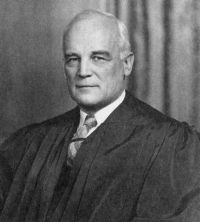
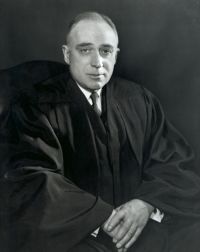
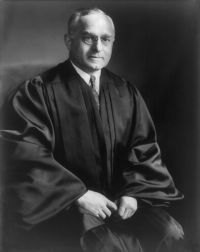
Legal experts such as Hugo Black underscored its importance in protecting collective bargaining, while John Marshall Harlan II pointed out its exclusion of railway unions from general labor laws. Felix Frankfurter emphasized its cooperative structure, reflecting agreement between industry and labor. The RLA’s framework aims to maintain labor stability while ensuring operational continuity, as demonstrated by its lasting impact on dispute resolution within transportation sectors.
 Hugo Black,
Order of Railroad Telegraphers v…