Seleucid dynasty

Definition and stakes

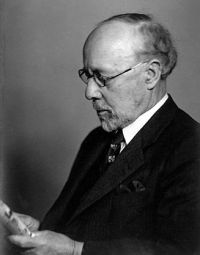
Portrait of D. G. Hogarth D. G. Hogarth,  The Ancient East

“ As for the Seleucid kings themselves they leave on us, ill-known as their characters and actions are, a clear impression of approximation to the traditional type of the Greek of the Roman age and since. As a dynasty they seem to have been quickly spoilt by power, to have been ambitious but easily contented with the show and surface of success, to have been incapable and contemptuous of thorough organization, and to have had little in the way of policy, and less perseverance in the pursuit of it. ”

Source: Gutenberg

Portrait of D. G. Hogarth D. G. Hogarth,  The Ancient East

“ It is true that our piecemeal information comes largely from writers who somewhat despised them; but the known history of the Seleucid Empire, closed by an extraordinarily facile and ignominious collapse before Rome, supports the judgment that, taken one with another, its kings were shallow men and haphazard rulers who owed it more to chance than to prudence that their dynasty endured so long. ”
Source: Gutenberg

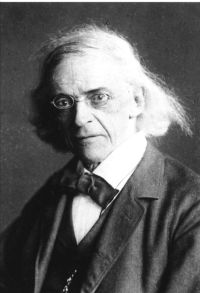
Portrait of H. G. Wells H. G. Wells,  The Outline of History: Being a Plain History of Life and Mankind

“ Much of the old Persian empire, as far as the Indus eastward and almost to Lydia in the west, was held by one general Seleucus, who founded a dynasty, the Seleucid Dynasty; Macedonia fell to another Macedonian general, Antigonus; a third Macedonian, Ptolemy, secured Egypt, and making Alexandria his chief city, established a sufficient naval ascendancy to keep also Cyprus and most of the coast of Phœnicia and Asia Minor. The Ptolemaic and Seleucid empires lasted for a considerable time: the forms of government in Asia Minor and the Balkans were more unstable. ”
Source: Gutenberg

Get perspective with Kwize: daily news enlightened by great literature