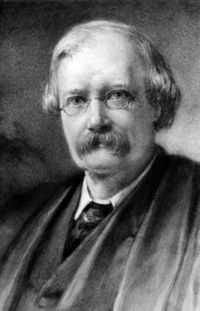
Sonnets, a poetic form traditionally consisting of fourteen lines with a structured rhyme scheme, have long served as vessels for profound reflections on love, beauty, and human emotion. Writers from diverse eras have engaged with this form, revealing its ability to intertwine personal experience with universal themes. While John Lord highlighted their insights into "the lore of friendship and love," Christina Rossetti composed a devotional sonnet to her mother, merging spiritual devotion with lyrical artistry.
Jesse Johnson observed Shakespeare’s sonnets as tributes to a friend’s lasting charm, while Oscar Wilde stressed their personal dedication to an individual. George Santayana, meanwhile, saw their passion as transformed into "spiritual discipline," surpassing temporal boundaries. These varied perspectives underscore the sonnet’s enduring power to unite the personal with the eternal.