Syriac language

Definition and stakes

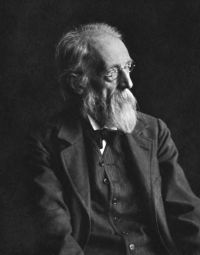
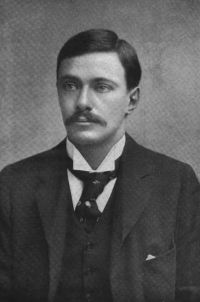
Portrait of J. A. Zahm J. A. Zahm,  From Berlin to Bagdad and Babylon (1922)

“ Syriac, it is true, is still the liturgical tongue of the Maronites and Jacobites as it was for centuries that of other oriental Christians of Semitic origin. But, if a small number of priests still understand Syriac, no one any longer speaks it. For Syrians as well as for Arabs the language of conversation has for a long time been the vulgar Arabic. The Christians, however, speak a less pure form than the Moslems, for the adherents of Mohammed, by their constant reading of the Koran, become familiar with the more literary forms of classical Arabic. ”
Source: Gutenberg

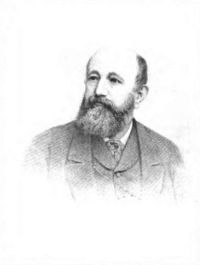
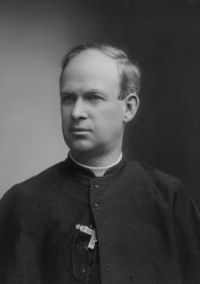
Portrait of Adrian Henry Timothy Knottesford Fortescue Adrian Henry Timothy Knottesford Fortescue,  The Lesser Eastern Churches (1913)

“ Since Aramaic in various dialects became the common language of Western Asia (roughly since the second Babylonian Empire) they have talked one of its many dialects. We now call Aramaic by the Greek name Syriac. If we class people by the inaccurate but convenient test of the language they use, we shall count these as Syrians, more nearly as East Syrians. In the period with which we have to deal the classical language of Mesopotamia and Syria was the dialect of the city of Edessa, from, which are derived those of the Eastern and Western Syrians. ”
Source: Wikisource

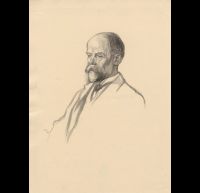
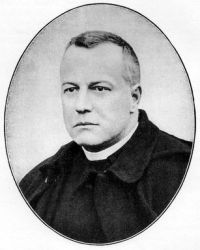
Portrait of Anthony Norris Groves Anthony Norris Groves,  Journal of a Residence at Bagdad

“ The Syrians of the villages near Mosul speak among themselves Syriac, but in asking them if they understood the old Syriac, which is read, they reply, imperfectly; so that I have no doubt, for any instructive purpose, it is perfectly unintelligible, what with the mode of reading, and the difference of language. These are deeply interesting countries to those who can be happy in bestowing all their strength in planting under the prospect that others will reap the fruits. The Lord will water their way with little streams of comfort, and manifestations of the prospect of the future ”
Source: Gutenberg

Get perspective with Kwize: daily news enlightened by great literature