“ Many citizens of Venice must have been at the Lido port, thronging to meet the merchant vessels, to greet their friends or to have news of them from others. But none came to meet these three travellers; alone they embarked in a gondola bearing their cargo with them. Venice had clothed herself in all her beauty to give them welcome. Which of Cublay’s glories could rival this splendour of the lagoon with its countless treasures of light? ”
The Merchant of Venice
Definition and stakes
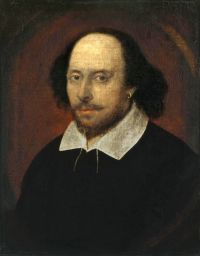
The Merchant of Venice, a tragicomedy by William Shakespeare, is set in Renaissance Venice and focuses on Antonio’s risky loan from the vengeful Shylock, whose demand for a “pound of flesh” propels the plot. Though categorized as a comedy, its examination of justice, mercy, and antisemitism adds layers of deep thematic richness.
Scholars such as Beryl De Zoete emphasize Venice’s commercial culture, while Mark Twain contemplates its historical splendor. Shakespeare’s text, through Shylock’s defiant “Hath not a Jew eyes?” and Portia’s appeal for compassion, highlights the conflict between strict legalism and human sympathy, raising lasting questions about bias and moral uncertainty.
Quotes about “The Merchant of Venice”
“ A MERCHANT OF VENICE “Siamo noi calcolatori” was the confession of a modern Venetian, quoted lately as expressive of the spirit that governs Venice to-day and has lain at the root of her policy in the past. The confession is striking; for most men, however calculating in practice, acknowledge an ideal of spontaneous generosity which causes them to shun the admission of self-interested motives. The charge, if charge it can be termed, is an old one. Again and again it has been brought against Venice by those to whom her greatness has been a stumbling-block—“sono calcolatori.” ”
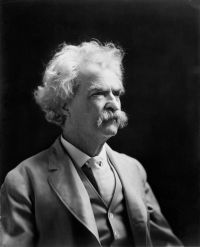 Mark Twain,
The Innocents Abroad — Volume 03
Mark Twain,
The Innocents Abroad — Volume 03
“ This Venice, which was a haughty, invincible, magnificent Republic for nearly fourteen hundred years; whose armies compelled the world's applause whenever and wherever they battled; whose navies well nigh held dominion of the seas, and whose merchant fleets whitened the remotest oceans with their sails and loaded these piers with the products of every clime, is fallen a prey to poverty, neglect and melancholy decay. Six hundred years ago, Venice was the Autocrat of Commerce ”


Related terms
Authors who wrote about “The Merchant of Venice”
Horatio Forbes BrownBeryl De ZoeteClara Erskine Clement Waters Mrs. Lawrence TurnbullHoratio Robert Forbes Brown
 E. V. Lucas
 Thomas OkeyDorothy Menpes
 Stopford A. Brooke
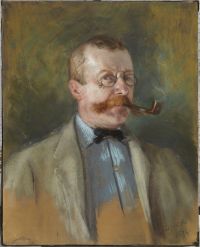 Laurence Huttonby Henry James
 John Ruskin
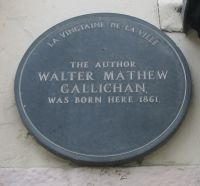 Walter M. GallichanA. H. VeseyEvelyn March PhillippsJames A. WilliamsonClive Day
 William Dean Howells
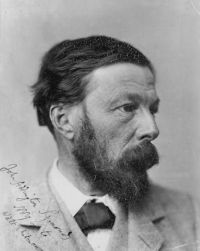 John Addington Symonds
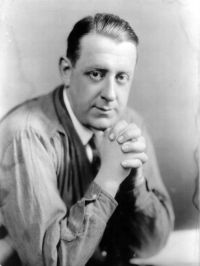 Hendrik Willem Van Loon
Mrs. Lawrence TurnbullHoratio Robert Forbes BrownE. V. LucasThomas OkeyDorothy MenpesStopford A. BrookeLaurence Huttonby Henry JamesJohn RuskinWalter M. GallichanA. H. VeseyEvelyn March PhillippsJames A. WilliamsonClive DayWilliam Dean HowellsJohn Addington SymondsHendrik Willem Van Loon