The Royal Academy of Arts

Definition and stakes

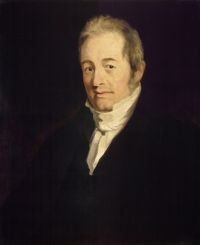
William Hazlitt Table Talk: Essays on Men and Manners

It is, I understand and believe, pretty much the same in more modern institutions for the encouragement of the Fine Arts. The end is lost in the means: rules take place of nature and genius; cabal and bustle, and struggle for rank and precedence, supersede the study and the love of art. A Royal Academy is a kind of hospital and infirmary for the obliquities of taste and ingenuity—a receptacle where enthusiasm and originality stop and stagnate, and spread their influence no farther, instead of being a school founded for genius, or a temple built to fame.
Source: Gutenberg

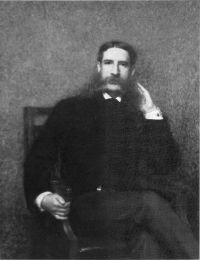
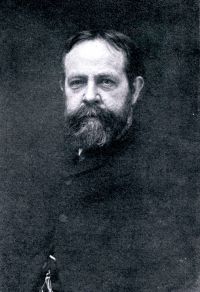
Portrait of Dutton Cook Dutton Cook Art in England: Notes and Studies

From that year dates the rise of a third society—the Royal Academy of Arts: an institution which has long outlived its rivals, which has indeed fed upon and gained strength from their decay and decease, as at the outset it owed its existence to the success of their previous efforts, and which, in spite of constant opposition and bitterest attack, flourishes still, as though possessed of that longevity which is proverbially the attribute of the threatened.
Source: Gutenberg

P. Austin Nuttall The Nuttall Encyclopædia

Royal Academy of Arts, in London; was instituted in 1768 by George III. as a result of a memorial presented to him by 29 members who had seceded from "The Incorporated Society of Artists of Great Britain" (founded 1765) ; for some years received grants from the privy purse, and was provided with rooms in Somerset House; removed to Trafalgar Square in 1836, and to its present quarters at Burlington House in 1869; receives now no public grant; holds yearly exhibitions, and supports an art school; membership comprises 42 Royal Academicians, besides Associates.
Source: Gutenberg

Get perspective with Kwize: daily news enlightened by great literature