Theatre of Dionysus

Definition and stakes

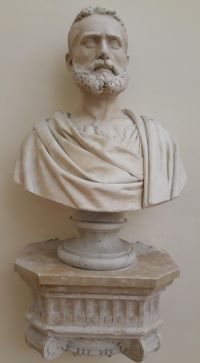
Portrait of William Smith William Smith Dictionary of Greek and Roman Geography (1854)

The Dionysiac Theatre.
The stone theatre of Dionysus was commenced in B.C. 500, but was not completely finished till B.C. 340, during the financial administration of Lycurgus. (Paus. i. 29. § 16; Plut. Vit. X. Orat. pp. 841, 852.) A theatre, however, might, as a Gothic church, be used for centuries without being quite finished; and there can be no doubt that it was in the stone theatre that all the great productions of the Grecian drama were performed. This theatre lay beneath the southern wall of the Acropolis, near its eastern extremity.
Source: Wikisource

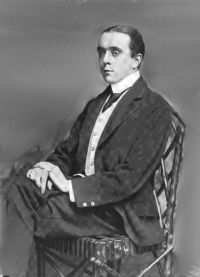
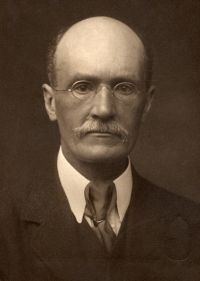
Portrait of Sir Max Beerbohm Sir Max Beerbohm Yet Again

Always in the centre of the theatre was the altar to Dionysus; and the chorus, circling around it, were true progeny of those old agrestic singers; and the mimes had never been but for that masquerading youth. It is hard to realise, yet it is true, that we owe to the worship of Dionysus so dreary a thing as the modern British drama. Strange that through him who gave us the juice of the grape, 'fiery, venerable, divine,' came this gift too! Yet I dare say the chorus of a musical comedy would not be awestruck—would, indeed, 'bridle'—if one unrolled to them their illustrious pedigree.
Source: Gutenberg

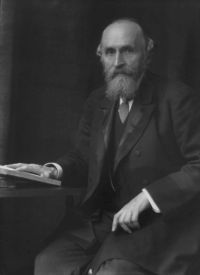
J. C. Lawson Modern Greek Folklore and Ancient Greek Religion…

The disguise of the ancient god is thin indeed. His name is changed by an iota, but his character not a jot. S. Dionysius is god of the vine, and even retains his predecessor’s connexion with Naxos. It is perhaps noteworthy too that in Athens the road which skirts the south side of the Acropolis and the theatre of Dionysus is now called the street of S. Dionysius the Areopagite. I was once corrected by a Greek of average education for speaking of the theatre of Dionysus instead of ascribing it to his saintly namesake.
Source: Gutenberg

Get perspective with Kwize: daily news enlightened by great literature