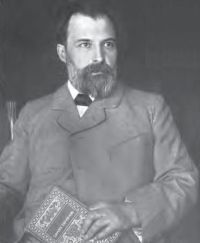
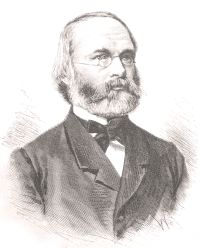
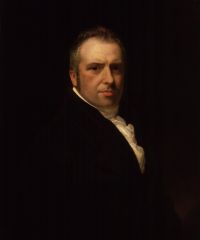
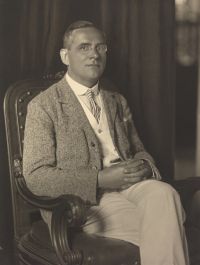
The Theory of Forms refers to the philosophical investigation of abstract structures or principles that underpin reality, often distinguishing between tangible existence and idealized frameworks. This concept has been explored by thinkers such as John Stuart Mill, who emphasized the relationship between structure and function, and Bertrand Russell, who examined structure’s role in shaping thought and language.
Émile Durkheim associated structure with layered knowledge, while Paul Carus described it as the basis for understanding reality. Authors like Benjamin Fiske Barrett linked structure to essence, claiming its alignment with intrinsic nature. Together, these viewpoints highlight structure as both a foundational element and a means through which reality is interpreted and arranged.
 John Wesley Powell,
Truth and Error — Chapter XVI.
(1898)