Tibetan language

Definition and stakes

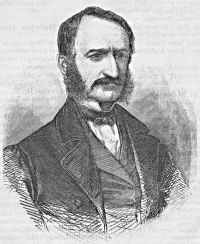
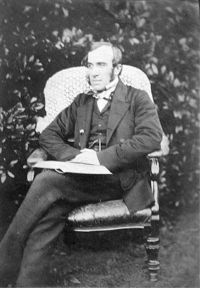
Portrait of Theodore Duka Theodore Duka,  Life and works of Alexander Csoma de Körös (1885)

“ After having communicated the result of his labours to others, and heard from them that the Tibetan language, to the study of which he had sacrificed the best part of his life, was but a corrupt dialect of the Sanskrit, his heart was filled with undescribable anguish, and the strong man, who suffered so many privations cheerfully and without complaining, was prostrated on a bed of sickness by this new discovery. ”
Source: Gutenberg

State Council Information Office of the People's Republic of China,  Successful Practice of Regional Ethnic Autonomy in Tibet (2015)

“ Tibetan language learning is efficiently protected. The Constitution of the People's Republic of China and Law of the People's Republic of China on Regional Ethnic Autonomy both specify that every ethnic group has the freedom to use and develop its own language. Bilingual teaching in Tibetan and Chinese is carried out in all schools in Tibet to inherit the Tibetan language in the course of learning. At present, synchronous bilingual teaching is conducted at primary schools in agricultural and pastoral areas and certain cities and towns of the Region, and major courses are taught in Tibetan. ”
Source: Wikisource

Get perspective with Kwize: daily news enlightened by great literature