Tityrus

Definition and stakes

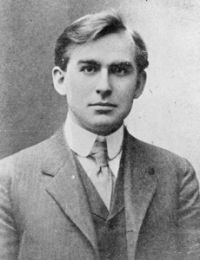
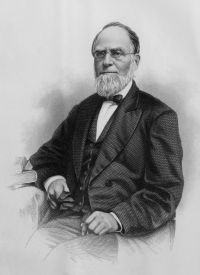
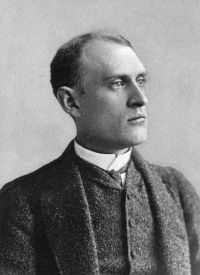
Portrait of Eugene Field Eugene Field,  John Smith, U.S.A

“ The pine trees, the copse and the brook for Tityrus ever went sobbing.
Tityrus—
Meliboeus, what else could I do? Fate doled me no morsel of pity;
My toil was all in vain the year through, no matter how earnest or
clever,
Till, at last, came that god among men—that king from that wonderful
city,
And quoth: "Take your homesteads again—they are yours and your assigns
forever!"
Meliboeus—
Happy, oh, happy old man! rich in what's better than money—
Rich in contentment, you can gather sweet peace by mere listening
”
Source: Gutenberg

Portrait of Eugene Field Eugene Field,  John Smith, U.S.A

“ AN ECLOGUE FROM VIRGIL. (The exile Meliboeus finds Tityrus in possession of his own farm, restored to him by the emperor Augustus, and a conversation ensues. The poem is in praise of Augustus, peace and pastoral life.)
Meliboeus—
Tityrus, all in the shade of the wide-spreading beech tree reclining,
Sweet is that music you've made on your pipe that is oaten and slender;
Exiles from home, you beguile our hearts from their hopeless repining,
As you sing Amaryllis the while in pastorals tuneful and tender.
”
Source: Gutenberg

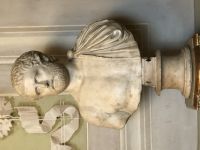
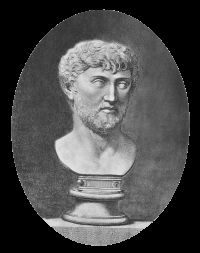
Portrait of Virgil Virgil,  Eclogues and Georgics (1910)

“ M.—Tityrus, thou where thou liest under the covert of spreading beech, broodest on thy slim pipe over the Muse of the woodland: we leave our native borders and pleasant fields; we fly our native land, while thou, Tityrus, at ease in the shade teachest the woods to echo fair Amaryllis. ”
Source: Wikisource

Get perspective with Kwize: daily news enlightened by great literature