Act (play)

Definition and stakes

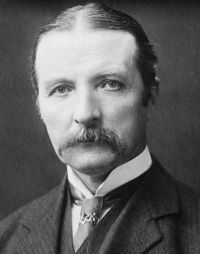
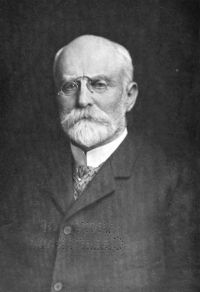
Portrait of Woodrow Wilson Woodrow Wilson,  When a Man Comes to Himself (1901)

“ Some play with a certain natural passion, an unstudied directness, without grace, without modulation, with no study of the masters or consciousness of the pervading spirit of the plot; others gives all their thought to their costume and think only of the audience; a few act as those who have mastered the secrets of a serious art, with deliberate subordination of themselves to the great end and motive of the play, spending themselves like good servants, indulging no wilfulness, obtruding no eccentricity, lending heart and tone and gesture to the perfect progress of the action. ”
Source: Wikisource

Fifty Contemporary One-Act Plays

“ Inkwell. How can we build when you don't give us any lines?
Sud. What do you call yourselves actors for if you can't supply acting when the playwright uses dashes!—This is the biggest scene in the play. [Crosses to lower left.] The very fact that I don't give you a lot of literary lines puts me in the class of the most forceful dramatists of the day! My plays are not wishy-washy lines! They are full of action—red-blood—of flesh and blood!
”
Source: Gutenberg

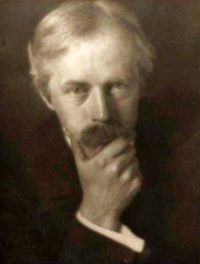
Portrait of Arthur Sidgwick Arthur Sidgwick,  1911 Encyclopædia Britannica (1911)

“ The interest still centres round the chorus, who are in fact the “protagonists” of the play. Character and plot—the two essentials of drama, in the view of all critics from Aristotle downwards—are both here rudimentary. There are some fluctuations of hope and fear; but the play is a single situation, The stages are: the appeal; the hesitation of the king, the resolve of the people; the defeat of insolent violence; and the rescue. It should not be forgotten, indeed, that the play is one of a trilogy—an act, therefore, rather than a complete drama. ”
Source: Wikisource

Get perspective with Kwize: daily news enlightened by great literature