Aesthetic beauty

Definition and stakes

De Witt H. Parker,  The Principles of Aesthetics

“ I may take pleasure in the vision of purpose well embodied in an object which another man possesses, and my admiration will be as disinterested as my appreciation of a statue. And even if I do make use of the object, I may still get an aesthetic experience out of it, whenever I pause and survey it, delighting in it as an adequate expression of its purpose and my own joy in using it. Then beauty supervenes upon mere utility, and a value for contemplation grows out of and, for the moment, supplants a value in use. ”
Source: Gutenberg

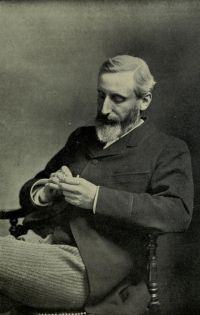
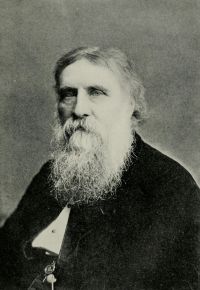
Portrait of Walter Pater Walter Pater,  The Renaissance: Studies in Art and Poetry

“ In this way, the sensuous element in art, and with it almost everything in art that is essentially artistic, is made a matter of indifference; and a clear apprehension of the opposite principle—that the sensuous material of each art brings with it a special phase or quality of beauty, untranslatable into the forms of any other, an order of impressions distinct in kind—is the beginning of all true aesthetic criticism. ”
Source: Gutenberg

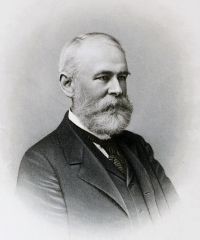
Portrait of Grant Allen Grant Allen,  Popular Science Monthly (1881)

“ What is the center from which the widening circle of æsthetic sensibility takes its departure? In other words, what is the primitive source of the appreciation of beauty? Putting the question into a concrete form, what objects did man, as a whole, and does each man in particular, first find beautiful? If we look at a cultivated European, we see that he derives great æsthetic enjoyment from contemplating the sunset clouds, the green trees, the lakes, rivers, and waterfalls, the flowers, birds, and insects around him. ”
Source: Wikisource

Get perspective with Kwize: daily news enlightened by great literature