Art form

Definition and stakes

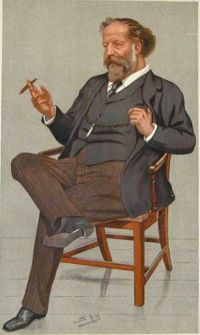
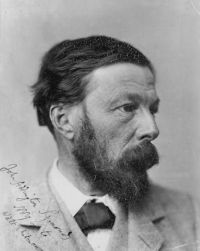
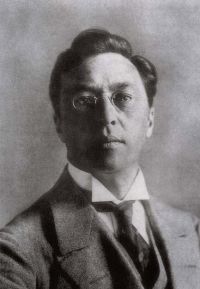
Portrait of Walter Pater Walter Pater,  The Renaissance: Studies in Art and Poetry

“ All art has a sensuous element, colour, form, sound—in poetry a dexterous recalling of these, together with the profound, joyful sensuousness of motion, and each [210] of them may be a medium for the ideal: it is partly accident which in any individual case makes the born artist, poet, or painter rather than sculptor. But as the mind itself has had an historical development, one form of art, by the very limitations of its material, may be more adequate than another for the expression of any one phase of that development. ”
Source: Gutenberg

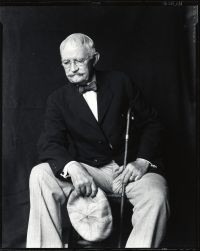
Portrait of Clive Bell Clive Bell,  Art

“ Forms that are not dictated by any emotional necessity, forms that state facts, forms that are the consequences of a theory of draughtsmanship, imitations of natural objects or of the forms of other works of art, forms that exist merely to fill spaces—padding in fact,—all these are worthless. Good drawing must be inspired, it must be the natural manifestation of that thrill which accompanies the passionate apprehension of form. ”
Source: Gutenberg

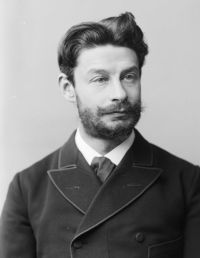
De Witt H. Parker,  The Principles of Aesthetics

“ In art, however, there are subtler aspects to the relation between form and content, and these have a unique aesthetic significance. For there, as we know, the elements of the medium, colors and lines and sounds, and the patterns of these, their harmonies and structures and rhythms, are expressive, in a vague way, of feeling; hence, when the artist employs them as embodiments of his ideas, he has to select them, not only as carriers of meaning, but as communications of mood. ”
Source: Gutenberg

Get perspective with Kwize: daily news enlightened by great literature