Benzoic acid

Definition and stakes

1911 Encyclopædia Britannica (1910)

“ It owes its value to the benzoic acid which it contains. A fluid drachm of friar’s balsam may be added to a pint of water at a temperature of about 140° F., and the resultant vapour may be inhaled from the spout of a kettle or from a special inhaler. Benzoic acid itself, ammonium benzoate and sodium benzoate are all administered internally in doses of from five to thirty grains. The ammonium salt is most often employed, owing to the stimulant character of the ammonium base. The acid itself is a powerful antiseptic. ”
Source: Wikisource

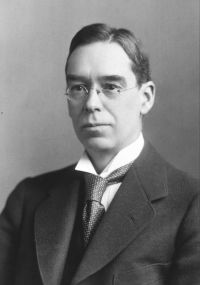
Portrait of Edwin O. Jordan Edwin O. Jordan,  Food Poisoning

“ Probably the evidence respecting the effect of benzoic acids and the benzoates when used as food preservatives constitutes as favorable a case as can be made out at the present time for the employment of any chemical substance. Benzoic acid is present in noteworthy amounts in many fruits and berries, especially cranberries, and its presence in these natural foods has never been connected with any injurious action. In point of fact, substances present in many ordinary foodstuffs are converted within the human body first into benzoic acid and then into hippuric acid. ”
Source: Gutenberg

G. W. Septimus Piesse,  The Art of Perfumery, and Methods of Obtaining the Odors of Plants

“ It is also formed by the oxidation of the volatile oil of bitter almonds. Benzoate of potash results when chloride of benzoyle is treated with caustic potash. Benzoic acid in the animal economy is converted into hippuric acid, which may by the action of acids, be reconverted into benzoic acid.
Benzoic acid should be completely volatile, without leaving any ash or being carbonized when heated. When dissolved in warm water, to which a little nitric acid has been added, nitrate of silver and chloride of barium should produce no precipitates.
”
Source: Gutenberg

Get perspective with Kwize: daily news enlightened by great literature