“ Drawn on his mouth, eyes broken at last by his pangs. And slowly down the mountain road, belated, A bullock wagon comes; so I am ashamed To gaze any more at the Christ, whom the mountain snows Whitely confront; I wait on the grass, am lamed. The breath of the bullock stains the hard, chill air, The band is across its brow, and it scarcely seems To draw the load, so still and slow it moves, While the driver on the shaft sits crouched in dreams. ”
Bullock wagon
Definition and stakes
The theme of “bullock wagon” has been addressed by authors such as Jesse Applegate, William Francis Hooker, Randolph B. Marcy, Buffalo Bill and Emerson Hough. It is often associated with terms like driver, ox, mule, animal and horse.
Quotes about “bullock wagon”
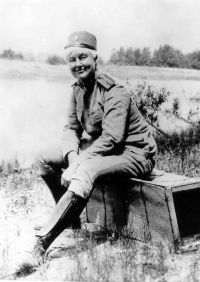 Flora Sandes,
An English woman-sergeant in the Serbian Army
(1916)
“ All the patients we had were to go off that afternoon if the bullock-wagons arrived. This question [26] of transport is always a terrible problem; in many cases bullock-wagons are the only things that will stand the rough tracks, although here there was a good road all the way to Bitol, and had we had a service of motor-cars we could have saved the poor fellows an immense amount of suffering. Imagine yourself with a shattered leg lying in company with three or four others on the floor of a springless bullock-wagon, jolting like that over the rough roads for twenty or thirty miles. ”
 Ralph Straus,
Carriages & Coaches: Their History & Their Evolution
“ In America the commonest four-wheeled carriage is the light wagon or buggy, a name given in England to a light two-wheeled, single-seated cart (also called a sulky63) towards the end of the eighteenth century. The buggy has one seat fixed on to a long, shallow tray; the wagon is similar, but has two or more seats.“These American waggons,” says Thrupp, “were modelled from the old German waggon, but they have been so much improved as to be scarcely recognised. ”



Related terms
Authors who wrote about “bullock wagon”
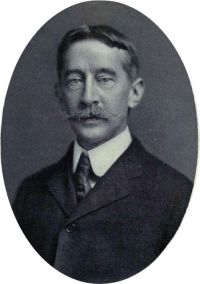
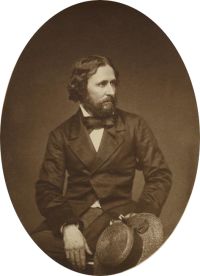
 Jesse ApplegateWilliam Francis Hooker
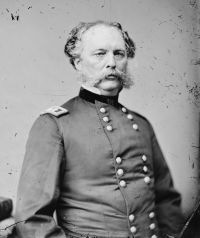 Randolph B. Marcy
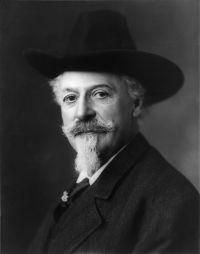 Buffalo Bill
 Emerson HoughEzra Meeker
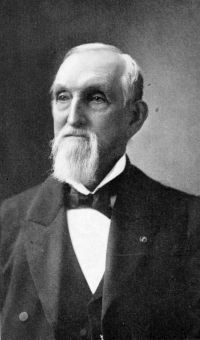 Oliver W. NixonHarvey Riley
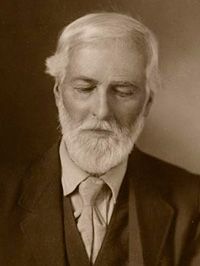 Jesse A. ApplegateM. C. HillickRoger T. FinlayJames S. BrownAlfred KingstonFrances Marie Antoinette Mack Roe
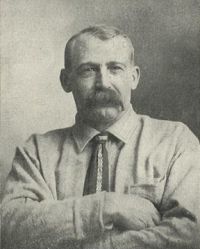 Andy AdamsThomas B. SearightW. C. Coup
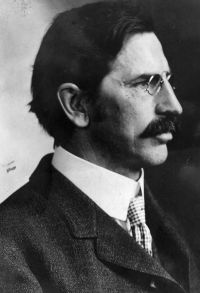 F. G. YoungFlora Sandes
 Elizabeth Bacon Custer
