Chemical poisoning

Definition and stakes

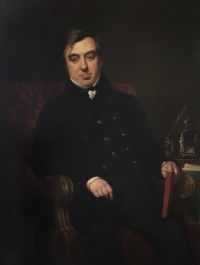
Portrait of Edwin O. Jordan Edwin O. Jordan,  Food Poisoning

“ In recent times the employment of chemical preservatives has acquired a new aspect through the increasing tendency of manufacturers to add to food products antiseptic chemicals in wide variety and of dubious physiological effect.
It is not so easy and simple as it might appear to declare that no substance that is poisonous shall be added to food. The scientific conception of a poison is one involving the amount as well as the kind of substance. Common salt itself is poisonous in large doses, but, as everyone knows, small amounts are not only not injurious, but absolutely necessary to health.
”
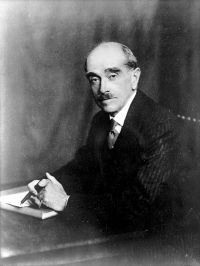
Source: Gutenberg

Various,  Lippincott's Magazine of Popular Literature and Science…

“ Certain substances, the so-called irritant poisons, such as arsenic, tartar emetic and the like, induce their toxic effects by causing irritation and inflammation of the alimentary canal. All authorities agree that poisoning by these substances cannot be proved, or even rendered, very probable, by symptoms alone—that chemical evidence, the discovery of the poison in the food, dejections, or in case of death the body, is absolutely essential for making out a case. ”
Source: Gutenberg

Get perspective with Kwize: daily news enlightened by great literature