Children of nature

Definition and stakes

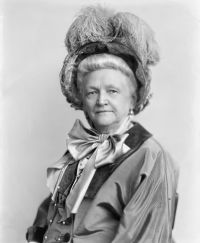
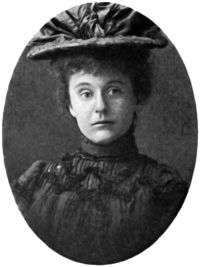
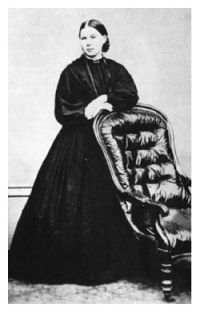
Portrait of Charlotte Mason Charlotte Mason Parents and Children

Nature's Teaching––This is what happens under nature's teaching; and for the first five or six years of his life, everything, especially everything in action, is an object of intelligent curiosity to the child––the street or the field is a panorama of delight, the shepherd's dog, the baker's cart, the man with the barrow, are full of vivid interest. He has a thousand questions to ask, he wants to know about everything; he has, in fact, an inordinate appetite for knowledge.
Source: Wikisource

Enos A. Mills Your National Parks, with Detailed Information for Tourists

The wild gardens of Nature are the best kindergartens. The child who breathes the pure air among the pines, and plays among the birds and flowers, has the greatest of advantages. The child stirred with ideal hopes to-day will create nobly to-morrow. Children from Nature's Book and School stand highest in the examinations of life and carry life's richest treasures: health, individuality, sincerity, wholesome self-reliance, and efficiency. Touched with nature, they are natural and, like Tiny Tim, they love everybody. Nature wins the heart of childhood.
Source: Gutenberg

Charlotte M. Mason Home education (1906)

But a person has other uses in the world, and mother or teacher who regards him as a plant and herself as the gardener, will only be saved from grave mistakes by the force of human nature in herself and in her child.
Nature as an Educator.—​The notion of supplementing Nature from the cradle is a dangerous one. A little guiding, a little restraining, much reverent watching, Nature asks of us; but beyond that, it is the wisdom of parents to leave children as much as may be to Nature, and “to a higher Power than Nature itself.”
Source: Gutenberg

Get perspective with Kwize: daily news enlightened by great literature