Chronic disease

Definition and stakes

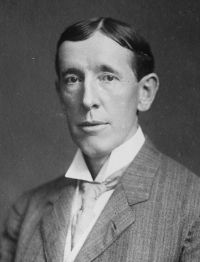
Portrait of Henry Lindlahr Henry Lindlahr,  Nature Cure: Philosophy & Practice Based on the Unity of Disease & Cure

“ Chronic disease, from the viewpoint of Nature Cure philosophy, means that the organism has become permeated with morbid matter and poisons to such an extent that it is no longer able to throw off these encumbrances by a vigorous, acute eliminative effort. The chronic condition, therefore, represents the slow, cold type of disease, characterized by feeble, ineffectual efforts to eliminate the latent morbid taints and impediments from the system. These efforts may take the form of open sores, skin eruptions, catarrhal discharges, chronic diarrhea, etc. ”
Source: Gutenberg

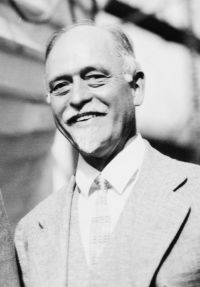
Portrait of Irving Fisher Irving Fisher,  How to Live: Rules for Healthful Living Based on Modern Science

“ The light that has lately been thrown on chronic sources of focal infection has cleared up many of the mysteries surrounding the causation of certain obscure affections—chronic rheumatism, arthritis deformans, certain forms of anemia, goitre, chronic heart and kidney troubles, diabetes, ulcer of the stomach, duodenum, etc., and other forms of chronic disease, especially those that have proved resistant to known methods of treatment. ”
Source: Gutenberg

W. T. Councilman,  Disease and Its Causes

“ Chronic diseases are diseases of long duration and which do not tend to result in complete recovery; in certain cases a cause of disease persists in the body producing constant damage, or in the course of disease some organ or organs of the body are damaged beyond the capacity of repair, and the imperfect action of such damaged organs interferes with the harmonious inter-relation of organs and the general well-being of the body. ”
Source: Gutenberg

Get perspective with Kwize: daily news enlightened by great literature