Circulating capital

Definition and stakes

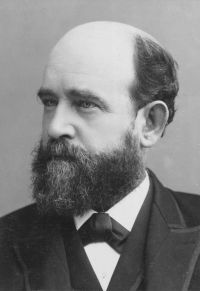
M. Garnier,  An Inquiry Into the Nature and Causes of the Wealth of Nations

“ It is the circulating capital which furnishes the materials and wages of labour, and puts industry into motion. Every saving, therefore, in the expense of maintaining the fixed capital, which does not diminish the productive powers of labour, must increase the fund which puts industry into motion, and consequently the annual produce of land and labour, the real revenue of every society. ”
Source: Gutenberg

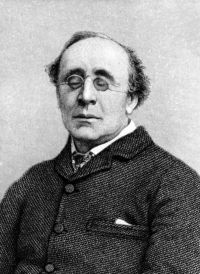
Portrait of John Stuart Mill John Stuart Mill,  Principles of Political Economy

“ That part of the capital of a cotton-spinner which he pays away to his work-people, once so paid, exists no longer as his capital, or as a cotton-spinner's capital. Capital which in this manner fulfills the whole of its office in the production in which it is engaged, by a single use, is called Circulating Capital. The term, which is not very appropriate, is derived from the circumstance that this portion of capital requires to be constantly renewed by the sale of the finished product, and when renewed is perpetually parted with in buying materials and paying wages ”
Source: Gutenberg

Get perspective with Kwize: daily news enlightened by great literature