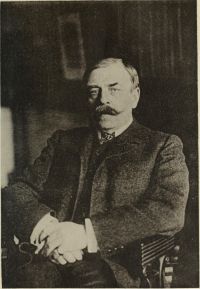
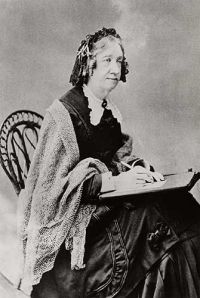
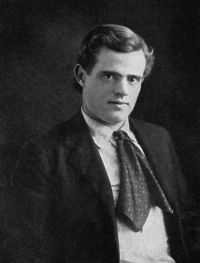
Civil disorder refers to collective unrest characterized by disobedience to laws, opposition to authority, and threats to public safety, often taking the form of protests, riots, or strikes. Scholars such as John Proffatt have emphasized historical conflicts between secular and religious authorities, while John Ruskin connected societal decline to the ethical shortcomings of the ruling class.
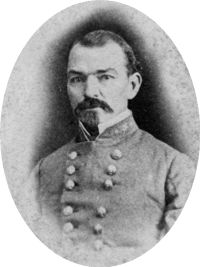
Patrick Geddes associated urban neglect with broader social problems, and Fidel V. Ramos emphasized the susceptibility of communities in the absence of stability. These viewpoints illustrate civil disorder as a multifaceted interaction of grievances, power relations, and institutional shortcomings, highlighting both human endurance and the delicate nature of social agreements.