Comparative mythology

Definition and stakes

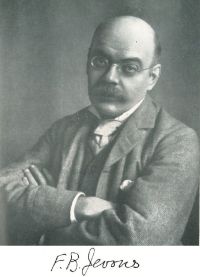
William S. Walsh,  The story of Santa Klaus (1909)

“ But for the sake of the six year olds it may be well to explain, as simply as I can in a few words, that comparative mythology is a branch of human knowledge which compares the myths and legends of one age and one people with the myths and legends of another age and another people, the object being to show how the later myths descend from the earlier ones, or how all the myths go back to some parent germ in the far-away past.
By the aid, then, of the science of comparative mythology let us seek to study the historical growth of the idea that is now embodied in the Christmas tree.
”
Source: Gutenberg

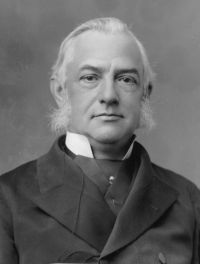
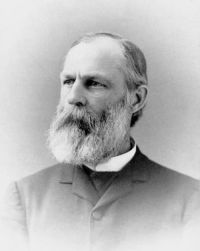
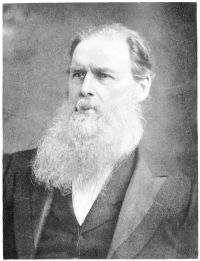
Portrait of Edward Burnett Tylor Edward Burnett Tylor,  Researches into the Early History of Mankind and the Development of Civilization (1878)

“ GEOGRAPHICAL DISTRIBUTION OF MYTHS.
The student of the early History of Mankind finds in Comparative Mythology the same use and the same difficulty which lie before him in so many other branches of his subject. He can sometimes show, in the mythical tales current among several peoples, coincidences so quaint, so minute, or so complex, that they could hardly have arisen independently in two places, and these coincidences he claims as proofs of historical connexion between the tribes or nations among whom they are found.
”
Source: Wikisource

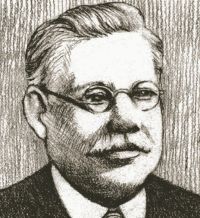
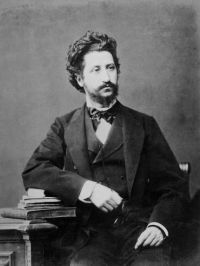
Portrait of Angelo De Gubernatis Angelo De Gubernatis,  Zoological Mythology; or, The Legends of Animals…

“ These diverse, special, and too exclusive points of view, from which the myths have hitherto been generally studied by learned men, have afforded ill-disposed adversaries an opportunity of ridiculing the science of Comparative Mythology as a science which is little serious, and which changes its nature according to the student who occupies himself with it. ”
Source: Gutenberg

Get perspective with Kwize: daily news enlightened by great literature