Complaint (law)

Definition and stakes

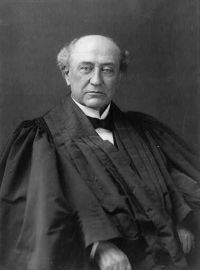
Joseph P. Bradley,  Stewart v. Sonneborn/Dissent P. Bradley…

“ Hence the law gives to every man a right to complain of or sue another, if he has probable cause to believe he has ground for such complaint or suit. For the exercise of this right he cannot be made accountable in damages, except so far as the law, for the discouragement of private suits, imposes upon him the costs of the litigation. In the case of criminal charges, this right of making complaint is given to every man, for all are interested in the preservation of public order. ”

Source: Wikisource

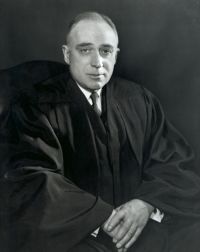
Thurgood Marshall,  Neitzke v. Williams — Opinion of the Court

“ By logical extension, a complaint, containing as it does both factual allegations and legal conclusions, is frivolous where it lacks an arguable basis either in law or in fact. As the Courts of Appeals have recognized, § 1915 (d) 's term "frivolous," when applied to a complaint, embraces not only the inarguable legal conclusion, but also the fanciful factual allegation. ”
Source: Wikisource

Get perspective with Kwize: daily news enlightened by great literature