Dismissal

Definition and stakes

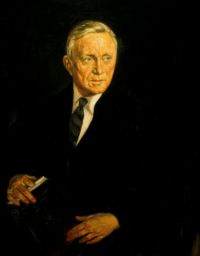
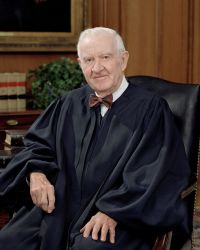
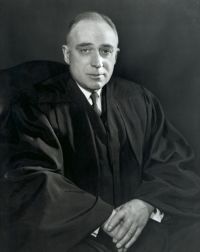
Portrait of John Marshall Harlan II John Marshall Harlan II,  Vitarelli v. Seaton — Opinion of the Court

“ If an employer summons before him an employee over whom he has unfettered power of dismissal and says to him: 'You are no longer employed here because I fired you last week,' can one reasonably escape the conclusion that though the employer was in error and had not effectively carried out his purpose to fire the employee last week, the employer's statement clearly manifests a present belief that the employee is dismissed and an intention that he be forever after dismissed? Certainly the employee would have no doubt his employment was now at an end. ”
Source: Wikisource

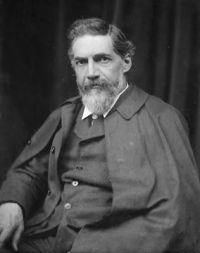
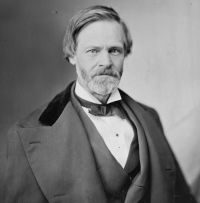
Portrait of John Stuart Mill John Stuart Mill,  Principles of Political Economy (1871)

“ In the extreme case of obstinate perseverance in not performing the due share of work, the community would have the same resources which society now has for compelling conformity to the necessary conditions of the association. Dismissal, the only remedy at present, is no remedy when any other labourer who may be engaged does no better than his predecessor: the power of dismissal only enables an employer to obtain from his workmen the customary amount of labour, but that customary labour may be of any degree of inefficiency. ”
Source: Wikisource

Get perspective with Kwize: daily news enlightened by great literature