Court martial

Definition and stakes

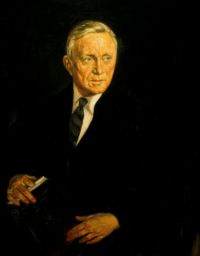
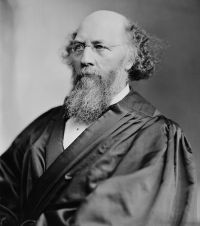
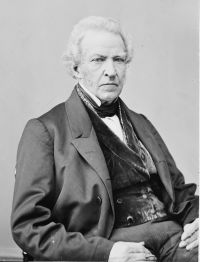
Portrait of Hugo Black Hugo Black,  Reid v. Covert (354 U.S. 1) — Opinion of the Court

“ The tradition of keeping the military subordinate to civilian authority may not be so strong in the minds of this generation as it was in the minds of those who wrote the Constitution. The idea that the relatives of soldiers could be denied a jury trial in a court of law, and instead be tried by court-martial under the guise of regulating the armed forces, would have seemed incredible to those men, in whose lifetime the right of the military to try soldiers for any offenses in time of peace had only been grudgingly conceded. ”
Source: Wikisource

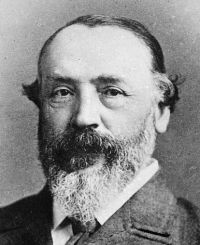
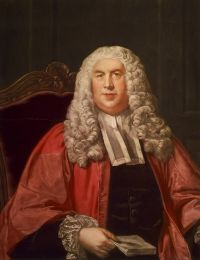
Portrait of William Blackstone William Blackstone,  Commentaries on the Laws of England (1768)

“ But our mutiny act makes no such distinction: for any of the faults above-mentioned are, equally at all times, punishable with death itself, if a court martial shall think proper. This discretionary power of the court martial is indeed to be guided by the directions of the crown; which, with regard to military offences, has almost an absolute legislative power. "His majesty, says the act, may form articles of war, and constitute courts martial, with power to try any crime by such articles, and inflict such penalties as the articles direct." ”
Source: Wikisource

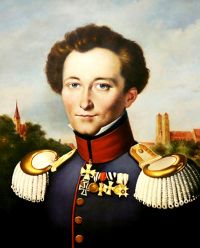
William Duane,  A military dictionary

“ No person shall be liable to be tried and punished by a general court martial for any offence which shall appear to have been committed more than two years before the issuing of the order for such trial, unless the person by reason of having absented himself, or some other manifest impediment, shall not have been amenable to justice within that period.
Art. 89. Every officer authorised to order a general court martial, shall have power to pardon or mitigate any punishment ordered by such court, except the sentence of death, or of cashiering an officer
”
Source: Gutenberg

Get perspective with Kwize: daily news enlightened by great literature