Cover crop

Definition and stakes

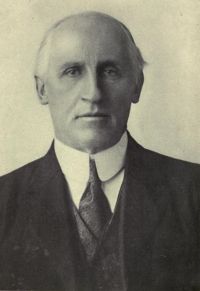
U. P. Hedrick,  The plums of New York (1911)

“ There are several reasonable suppositions as to why there should be such an effect, but one not usually given sufficient consideration is that cover-crops make available much plant food in the soil. Each plant in the crop collects food from soil and air, most of it otherwise unavailable, and turns it over to the trees. ”
Source: Gutenberg

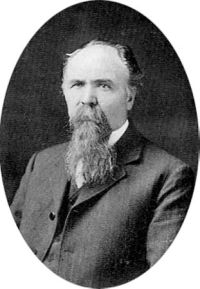
Portrait of Franklin Hiram King Franklin Hiram King,  Farmers of forty centuries (1911)

“ In growing such dry land crops as barley, beans, buckwheat or dry land rice the soil of the field is at first fitted by plowing or spading, then furrowed deeply where the rows are to be planted. Into these furrows fertilizer is placed and covered with a layer of earth upon which the seed is planted. When the crop is up, if a second fertilization is desired, a furrow may be made alongside each row, into which the fertilizer is sowed and then covered. ”
Source: Wikisource

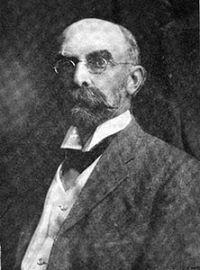
Portrait of Harvey Washington Wiley Harvey Washington Wiley,  Principles and practices of agricultural analysis (1894)

“ These lands represent soil of about the lightest texture upon which wheat can be economically produced under the climatic conditions which there prevail. They contain from eighteen to twenty-five per cent of clay, and are much more retentive of moisture than the best tobacco lands. This type is about the limit of profitable wheat production. These soils will maintain about twelve per cent of water during the dry season. Garden truck is so late in maturing on these lands that there is often a glut in the market when the crop matures, and the crops often do not pay the cost of transportation. ”
Source: Gutenberg

Get perspective with Kwize: daily news enlightened by great literature