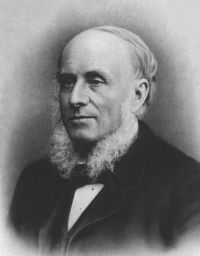
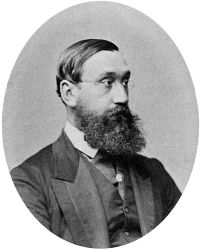
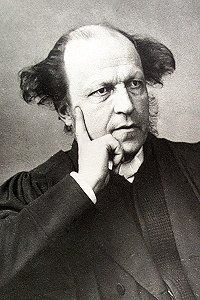
A dissertation is a formal, extended written work on a specialized topic, often linked to academic or scholarly research. Scholars such as Philip Joseph Hartog and Arthur Watson emphasize its function in assessing knowledge through structured reasoning, while Henry B. Wheatley points out the difficulties in cataloging such works, highlighting the author's identity as a key characteristic. Herbert M.
Vaughan contrasts the strictness of academic treatises with more flexible, personal styles, and Alexander Bain notes the growing variety of dissertations in different formats, from speeches to essays, influencing self-directed learning. These viewpoints reveal a theme fluctuating between formal precision and adaptable, practical application, illustrating its changing role in the spread of knowledge.