Factor (trade)

Definition and stakes

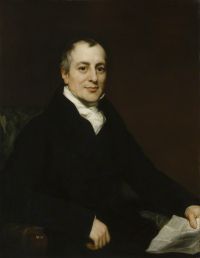
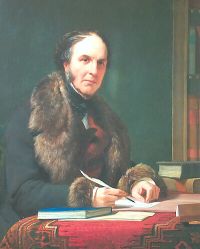
Portrait of John Stuart Mill John Stuart Mill,  Essays on some unsettled Questions of Political Economy

“ Suppose that a country should be opened to our merchants, disposed to buy from us in abundance, but which can sell to us scarcely anything, as every commodity which it affords could be got cheaper by us from some other quarter. Nevertheless, our trade with this country will enable us to obtain from all other countries their commodities at a lower price. At the first opening of this commerce of mere exportation, we must have received in payment a large quantity of money; for which our customer will have been indemnified by other countries, in exchange for her commodities. ”
Source: Gutenberg

Portrait of John Stuart Mill John Stuart Mill,  Principles of Political Economy (1871)

“ It may be considered, therefore, as established, that when two countries trade together in two commodities, the exchange value of these commodities relatively to each other will adjust itself to the inclinations and circumstances of the consumers on both sides, in such manner that the quantities required by each country, of the articles which it imports from its neighbour, shall be exactly sufficient to pay for one another. ”
Source: Wikisource

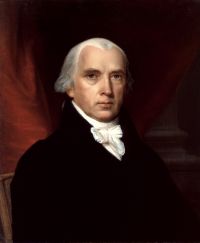
Portrait of John Law John Law,  Money and trade considered (1750)

“ If the ballance of trade was equal, foreign money raised, and Scots money not raised in proportion; foreign money would be brought in, and a greater value of Scots money would be carried out. ’tis the same loss to a country when money is raised, and goods do not rise in proportion: if foreigners send in money to buy goods, and this money when exported is not valued so high as here; the return in goods will be so much less, besides the want of the profit we would have had on the export of our goods. ”
Source: Gutenberg

Get perspective with Kwize: daily news enlightened by great literature