Fair use

Definition and stakes

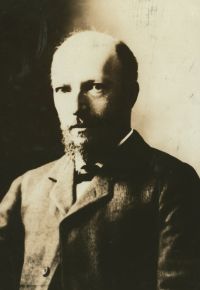
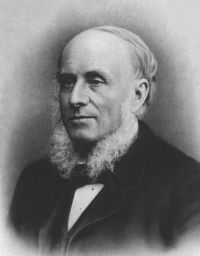
Portrait of Alexander Bain Alexander Bain,  Moral Science; a Compendium of Ethics

“ From right use of such affection or actions as are approved by the moral faculty from their relation to the general good, or the good of particular persons consistently with the general good, he distinguishes the right of a man to do, possess, demand, &c., which exists when his doing, possessing, &c. tend to the good of society, or to his own, consistent with the rights of others and the general good, and when obstructing him would have the contrary tendency. ”
Source: Gutenberg

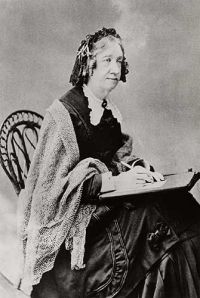
Andrew W. Young,  The government class book

“ But a more particular definition of rights and laws will be useful to young persons just commencing the study of civil government.
§2. A right means ownership, or the just claim or lawful title which a person has to anything. What we have acquired by honest labor, or other lawful means, is rightfully our own; and we are justly entitled to the free use and enjoyment of it. We have a right also to be free in our actions. We may go where we please, and do what ever we think necessary for our own safety and happiness; provided we do not trespass upon the rights of others
”
Source: Gutenberg

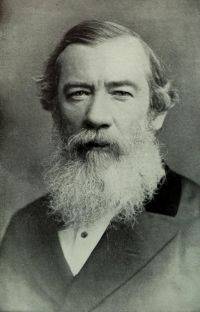
Portrait of John Stuart Mill John Stuart Mill,  On Liberty (1869)

“ I regard utility as the ultimate appeal on all ethical questions; but it must be utility in the largest sense, grounded on the permanent interests of man as a progressive being. Those interests, I contend, authorize the subjection of individual spontaneity to external control, only in respect to those actions of each, which concern the interest of other people. If any one does an act hurtful to others, there is a primâ facie case for punishing him, by law, or, where legal penalties are not safely applicable, by general disapprobation. ”
Source: Wikisource

Get perspective with Kwize: daily news enlightened by great literature