Fistfight

Definition and stakes

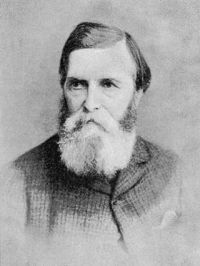
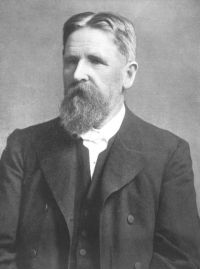
Portrait of George Borrow George Borrow,  The Romany Rye (1857)

“ Now which is best when you hate a person, or have a pique against a person, to clench your fist and say “Come on,” or to have recourse to the stone, the knife,—or murderous calumny? The use of the fist is almost lost in England. Yet are the people better than they were when they knew how to use their fists? The writer believes not. A fisty combat is at present a great rarity, but the use of the knife, the noose, and of poison, to say nothing of calumny, are of more frequent occurrence in England than perhaps in any country in Europe. ”
Source: Wikisource

Portrait of Richard Francis Burton Richard Francis Burton,  The Sentiment of the Sword — The Eighth Evening

“ You wish me, in fact, to consider fencing with the point of personal utility, which naturally follows the assault, and which puts the colophon upon the art of arms?
" We do."
I obey. The duel on one side is an assault composed of a series of passes and parries between men who are accustomed to the exercise of arms, in different degrees, it is true, but still proceeding after tolerably regular principles. On the other hand, it is a serious encounter with points which threaten one or two lives. A single home-thrust only is wanted, no matter how, no matter where, rightly or wrongly delivered.
”
Source: Wikisource

Portrait of Frank L. Packard Frank L. Packard,  From Now On

“ Instead of arms, steel fingers had sunk into his throat. He lunged out with all his strength. His fist met something that, though it yielded slightly, brought a brutal twinge of pain across his knuckles. His fist shot out again, whipped to its mark with everything that was in him behind the blow; and it was the bruiser's face he hit. He hit it again, and, over the mad fury that was upon him, he knew an unholy joy as his blows crashed home. ”
Source: Gutenberg

Get perspective with Kwize: daily news enlightened by great literature