Flammability

Definition and stakes

Mrs. J. B. Webb,  The Pilgrims of New England

“ The blinding effect of the dense smoke that filled the atmosphere, the suffocating smell of the burning mass of vegetable matter, and the lurid glare of the red flames that came on so rapidly, overpowered alike the horses and their riders: while the roaring of the fire—which sounded like a mighty rushing cataract—and the oppressive heat, seemed to confuse the senses, and destroy the vital powers of the more feeble and ill-mounted of the fugitives. ”
Source: Gutenberg

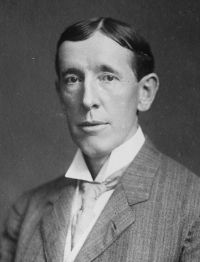
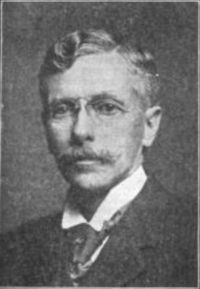
Portrait of Henry Prentiss Armsby Henry Prentiss Armsby,  Popular Science Monthly (1882)

“ The flame can not spread inward, because there is nothing there to support combustion; nor outward, because there is nothing there to burn. The flame is simply that part of the current of gases where the chemical action takes place, and where, consequently, the heat is produced. It is more nearly a place than a thing. If we leave out of account for a moment the chemical changes, we may compare the current of gas which flows from the tube to a metallic rod which is being slowly pushed through a fire. ”
Source: Wikisource

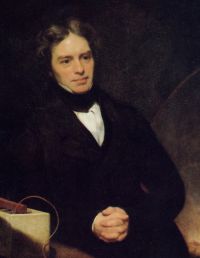
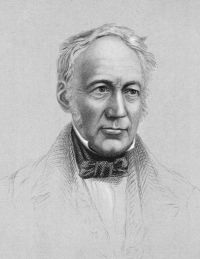
Portrait of Michael Faraday Michael Faraday,  The Chemical History of a Candle

“ You will see them burning too, but without the production of flame. They will each burn separately. [The Lecturer then ignited the mixture.] There is the gunpowder, which burns with a flame; and there are the filings—they burn with a different kind of combustion. You see, then, these two great distinctions; and upon these differences depend all the utility and all the beauty of flame which we use for the purpose of giving out light. When we use oil, or gas, or candle, for the purpose of illumination, their fitness all depends upon these different kinds of combustion. ”
Source: Gutenberg

Get perspective with Kwize: daily news enlightened by great literature