Germ theory

Definition and stakes

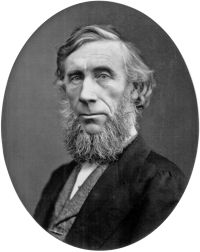
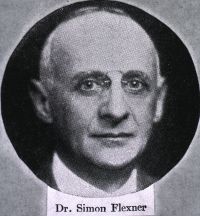
Various,  Popular Science Monthly (1902)

“ From the middle until nearly the close of the nineteenth century, the germ theory, during the period when it was little else than a theory, furnished many arguments for those who contended that filth was a fertile source of disease. Putrefaction and fermentation were known to be similar processes, and were believed to be due to the vital activity of minute organisms. There were good grounds for believing that diseases of an infectious nature were also dependent on the growth in the body of similar 'germs,' and this theory from 1850 grew rapidly into favor. ”
Source: Wikisource

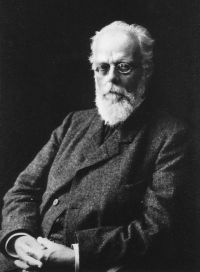
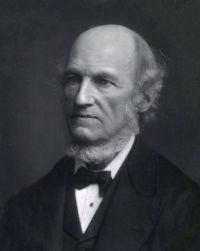
Portrait of William Gilman Thompson William Gilman Thompson,  Popular Science Monthly (1885)

“ The germ-theory, too, has given a great impetus to popular medicine.
The germ appeals to the average mind: it is something tangible; it may be hunted down, captured, colored, and looked at through a microscope, and then, in all its varieties, it can be held directly responsible for so much damage. There is scarcely a farmer in the country who has not read of the germ-theory.
”
Source: Wikisource

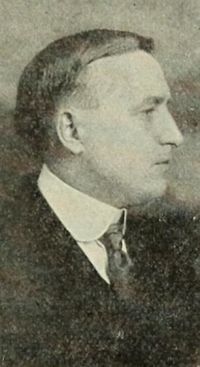
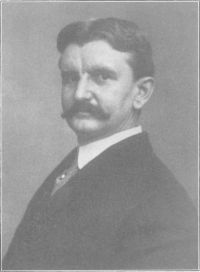
Portrait of Rasmus Larssen Alsaker Rasmus Larssen Alsaker,  Maintaining Health (Formerly Health and Efficiency…

“ The germ theory is a delusion. The fact will some day be generally recognized, as it is today by a few, that the so-called pathogenic bacteria or germs have no power to injure a healthy body, that there is bodily degeneration first and then the system becomes a favorable culture medium for germs: In other words, disease comes first and the pathogenic bacteria multiply afterwards. This view may seem very ridiculous to the majority, for it is a strong tenet of popular medical belief today that micro-organisms are the cause of most diseases. ”
Source: Gutenberg

Get perspective with Kwize: daily news enlightened by great literature