Human action, as defined by Ludwig von Mises in his seminal work Human Action: A Treatise on Economics, refers to purposeful behavior driven by individual aims and the means to achieve them, forming the foundation of praxeology, the science of human decision-making. Mises argues that economic systems flourish through voluntary exchanges and market-determined prices, contrasting them with governmental interventions that disrupt resource allocation.
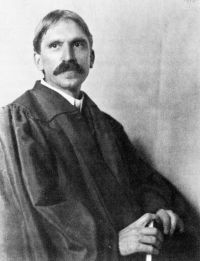
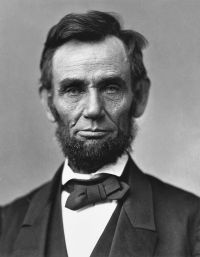
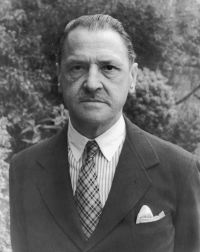
This concept extends beyond economics, as seen in diverse explorations by thinkers like John Dewey, who connected action to learning and moral responsibility, Abraham Lincoln, who stressed the unchangeable nature of human character, and W. Somerset Maugham, who emphasized the relationship between intellectual freedom and behavior. These perspectives collectively highlight human action as a universal framework for understanding individual agency, societal collaboration, and the ethical aspects of choice, bridging economics, philosophy, and social science.
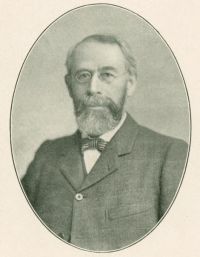
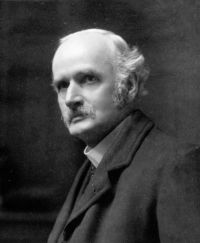 Sir Henry Jones,
Browning as a Philosophical and Religious Teacher
Sir Henry Jones,
Browning as a Philosophical and Religious Teacher