Iron pan

Definition and stakes

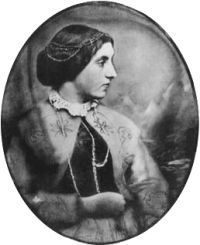
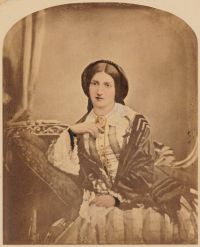
Portrait of Isabella Beeton Isabella Beeton,  Mrs. Beeton's Book of Household Management (1907)

“ The iron pan is heated, and the meat is cooked by heat directly communicated from the hot iron. Such frying, in fact, is an imitation of broiling, and usually an unsuccessful imitation. There should always be at least enough fat to cover the surface of the pan, and it always should be made as hot as possible without burning, before beginning to fry. To put cold fat and cold pan and cold chop on the stove and let them all heat together is always a mistake sure to result in a greasy, juiceless chop with burnt fat. Whatever and however you fry, first heat the fat. ”

Source: Wikisource

Arnold James Cooley,  Cooley's Cyclopædia of Practical Receipts and Collateral Information in the Arts…

“ The great point is, if in an iron pan, it should be very clean and free from damp which sometimes comes out of the iron when placed on the fire. The best plan is to put it on the fire, with a little fat, and let it get quite hot, or until the fat burns;1190 remove it, and wipe it clean with a dry cloth, and then you will be able to make the omelette to perfection. ”
Source: Gutenberg

Spons' Household Manual

“ Rust and dirt are not flavourless articles of cookery. Suppose clear soup or jelly is to be made. In an iron pan it will be not clear, but thick; in a clean tin pan or even a fish-kettle it will be not the fault of the pan, but of the cook, if the jelly be not as clear as glass. The least speck of rust, the smallest remainder of yesterday’s cooking will spoil either jelly or soup. Why, indeed, should not tin serve all purposes, since it is with tin that all copper pans are (or should be) lined? And copper pans are the ne plus ultra of culinary furniture. ”
Source: Gutenberg

Get perspective with Kwize: daily news enlightened by great literature