Kava

Definition and stakes

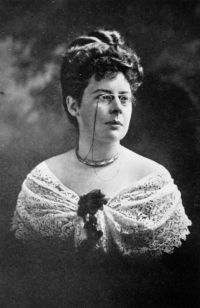
Portrait of Beatrice Grimshaw Beatrice Grimshaw,  In the Strange South Seas

“ The kava made, the highest chief present called the names, according, to etiquette, as in Tonga, in a loud resounding voice. I answered to my own (which came first, as a foreign, chief) by clapping my hands, in the correct fashion, and drained the cocoanut bowl that was handed me. Kava, as I had already learned, quenches thirst; removes fatigue, clears the brain, and is exceedingly cooling. If drunk in excess it produces a temporary paralysis of the legs, without affecting the head; but very few natives and hardly any whites do drink more than is good for them. ”
Source: Gutenberg

Charles Bice,  Journal of Residence in the New Hebrides…

“ A native, however, generally sleeps near a fire, and the interior of their houses are very snug. After the work was done this evening there was a{24} great brew of kava, a drink made from the root of the kava plant, but here called “Malowo,” and highly intoxicating. There is much ceremony in connection with the drinking of this beverage, which as far as I have seen, if taken in fair moderation, produces strong inebriation, but is not an excitant, nor does it leave any ill effects when once the narcotic effects pass off. ”
Source: Gutenberg

Frank Coffee,  Forty Years On The Pacific — Kava and Toddy (1920)

“ Thereafter a few genial souls would gather around the bowl, and drink the mixture out of cocoanut shells.
When drunk to excess, kava causes intoxication, but it has the merit of not making its devotees quarrelsome in their cups. The action of kava is peculiar, inasmuch as drunkenness from this cause does not affect the brain, but paralyzes the muscles of the legs and arms so that a man lies helplessly on the ground, perfectly aware of all that is going on. Its effects are more akin to those of opium than alcohol.
”
Source: Wikisource

Get perspective with Kwize: daily news enlightened by great literature