Labour force

Definition and stakes

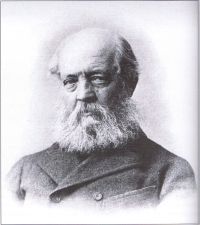
Portrait of John Ruskin John Ruskin,  Unto This Last, and Other Essays on Political Economy

“ my clergyman, thus indicating my sense of the quality of their work." By all means, also, choose your bricklayer; that is the proper reward of the good workman, to be "chosen." The natural and right system respecting all labour is, that it should be paid at a fixed rate, but the good workman employed, and the bad workmen unemployed. The false, unnatural, and destructive system is, when the bad workman is allowed to offer his work at half-price, and either take the place of the good, or force him by his competition to work for an inadequate sum. ”
Source: Gutenberg

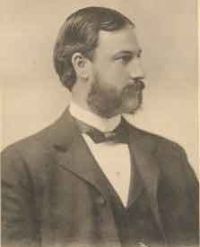
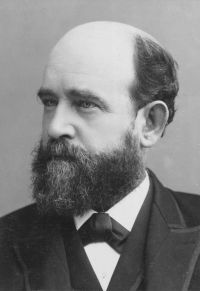
Portrait of Carroll Davidson Wright Carroll Davidson Wright,  1911 Encyclopædia Britannica, Volume 16… (1911)

“ Even while it is clear, however, that manual labour, or the application of the bodily forces—with or without mechanical aid—to personal maintenance and the production of goods, remains the common lot of the majority of citizens of the most developed modern communities, still there is much risk of confusion if modern technical terms such as “labour,” “employer,” “labour legislation” are freely applied to conditions in bygone civilizations with wholly different industrial organization and social relationships. ”
Source: Wikisource

Get perspective with Kwize: daily news enlightened by great literature